

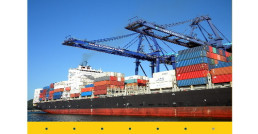
شرکت های بازرسی کالاهای وارداتی و صادراتی
کنترل عملیات لاشینگ کانتینرها (Container Lashing Control)
لاشینگ به مجموعه اقداماتی گفته میشود که برای مهار و تثبیت کانتینرها روی کشتی یا تریلر انجام میشود تا در برابر نیروی باد، امواج، لرزش، شتاب، ترمز و حرکات دینامیکی از جای خود حرکت نکنند.
کنترل دقیق این عملیات یکی از حساسترین وظایف در safety حملونقل دریایی و بندری است.
۱. بازرسی پیش از شروع کار
بررسی سالمبودن لاشینگبارها، پیچها، قلابها و رادها
اطمینان از عدم وجود زنگزدگی، ترک یا تغییر شکل
تطابق تجهیزات با استاندارد های IMO و کلاس کشتی
۲. بررسی چیدمان کانتینرها
اطمینان از قرارگیری صحیح کانتینرها روی سلها
کنترل Twist Lock ها (لاک و آنلاک صحیح)
بررسی مرکز ثقل، ارتفاعبندی و بارهای خطرناک (DG Cargo)
۳. اجرای لاشینگ طبق پلن بارگیری (Stowage Plan)
بستن و تنظیم کشش رادها، ترنباکلها و بریجفیتها
رعایت زاویه مناسب مهار (معمولاً ۳۰ تا ۶۰ درجه)
استفاده از تجهیزات استاندارد با ظرفیت (SWL) مناسب
۴. کنترل نهایی پس از تکمیل عملیات
بررسی یکنواختی سفتی مهارها
اطمینان از عدم وجود نقاط آزاد یا شل
ثبت عملیات در لاگبوک یا سیستم PMS کشتی
گزارشدهی به Chief Officer یا Cargo Supervisor
۵. پایش دورهای در طول سفر
بازدید برنامهای در زمان تغییر وضعیت دریا.
محکم کردن دوباره لاشینگها در Sea Passage یا هنگام ورود به آبهای متلاطم.
لاشینگ دقیق، بهویژه در کشتیهای کانتینربر نسل جدید که تا ارتفاع ۱۰–۱۲ کانتینر بارگیری میکنند، یکی از کلیدیترین عوامل پایداری، ایمنی و حفظ ارزش محموله است.بدون کنترل صحیح، کوچکترین خطا میتواند به سانحههای بزرگ منجر گردد:
سقوط کانتینر به دریا
آسیب به بدنه کشتی یا سازههای اطراف
ایجاد خسارات بزرگ بیمهای
جابهجایی بار و برهم خوردن تعادل کشتی
خطر برای خدمه و تجهیزات روی عرشه
خدمات بازرسی کالاهای وارداتی:
- بازرسی قبل از حمل (PSI) در کشور مبدأ
- کنترل کیفیت، کمیت، بستهبندی، مارکینگ و تطابق با سفارش خرید.
- نمونهبرداری و آزمون
- آزمونهای فیزیکی، شیمیایی، مکانیکی و عملکردی طبق استاندارد های مرجع.
- کنترل اسناد واردات
- فاکتور، پکینگلیست، بارنامه، گواهی مبدأ، COA/COC، تطابق با اینکوترمز .
- صدور گواهی بازرسی (COI/IC)
- موردنیاز بانکها، بیمه و گمرک.
- بازرسی در مقصد
- نظارت بر تخلیه، شمارش، بررسی خسارت و گزارش کسری/عیب.
تخلیه کانتینرهای فلهبر (Bulk Containers Unloading)
تخلیه کانتینر های فلهبر به فرآیند خروج مواد فلهای (پودری، دانهای یا گرانولی) از کانتینر بدون بستهبندی مجزا گفته میشود. این عملیات در بنادر، سیلوها و مراکز لجستیکی با هدف سرعت، ایمنی و کاهش افت محصول انجام میگیرد.
روشهای رایج تخلیه کانتینرهای فله بر:
تخلیه ثقلی (Gravity Discharge)
تخلیه با تجهیزات مکانیکی
تخلیه پنوماتیکی (Pneumatic Unloading)
تیلت یا واژگونسازی کانتینر (Container Tilter)
این روش تخلیه برای اقلام فله ای مانند غلات و خوراک دام،سیمان و مواد معدنی،مواد شیمیایی پودری و گرانولهای پلیمری کاربرد دارد.
بازرسی کالا، بازرسی قبل از حمل،بازرسی در مبدا،بازرسی استاندارد

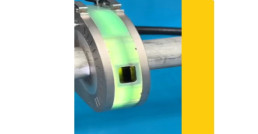
جوشکاری اوربیتال_Orbital Welding
بازرسی جوش و آزمون های غیرمخرب NDT
جوشکاری اوربیتال،یک روش پیشرفته و کاملاً کنترلشده جوشکاری اتوماتیک است که در آن مشعل جوش بهصورت ۳۶۰ درجه (اوربیت کامل) بهدور #لوله یا قطعه استوانهای میچرخد، در حالیکه قطعه ثابت باقی میماند.
- این فناوری برای دستیابی به کیفیت یکنواخت، تکرارپذیر و بدون وابستگی به مهارت اپراتور توسعه یافته است.جوشکاری اوربیتال یک فناوری کلیدی در صنایع با الزامات کیفی بالا است که با حذف متغیر انسانی، کنترل کامل فرآیند جوش را ممکن میسازد و در پروژههای حساس، عملاً به یک #استاندارد صنعتی تبدیل شده است:صنایع نفت، گاز و پتروشیمی
داروسازی و بیوتکنولوژی
صنایع غذایی و لبنی (Hygienic Welding)
نیروگاهها و مبدلهای حرارتی
خطوط لوله استنلس استیل با قطر کم تا متوسط
جوشکاری اوربیتال یک نوع جوشکاری تخصصی است که تورچ در یک فرآیند مستمر بصورت مکانیکی از طریق گردش ۳۶۰ درجه (دو تا ۱۸۰ درجه یا چهار تا ۴۵ درجه) در اطراف یک قطعه استاتیک، مثل لوله می چرخد.
In جوشکاری اوربیتال Orbital Welding که یکی از فرایندهای تیگ (TIG) است، جوشکاری چرخشی به وسیلهی تورچ اتوماتیک انجام میشودو تمامی حرکت تورچ چرخشی چه از نظر فیلردهی و چه از نظر چرخش و جوش به صورت تمام اتوماتیک انجام میگیرد.
جوش اوربیتال می تواند با استفاده از فیلر یا بدون استفاده از آن انجام شود. جوشکاری اوربیتال، نوعی جوشکاری است که توسط کامپیوتر کنترل می شود و دخالت اپراتور در جوشکاری به صفر می رسد، تا بتوان همواره به یک جوش یکنواخت و بدون خطا با quality And safety بالا دست یافت.
با افزایش نیاز صنایع پیشرفته به اتصالاتی با تکرارپذیری بالا، کیفیت یکنواخت و حداقل خطای انسانی، روشهای سنتی جوشکاری دیگر پاسخگوی الزامات فنی نیستند. در این میان، جوشکاری اوربیتال بهعنوان یک فناوری مهندسیشده و نیمهاتوماتیک/اتوماتیک، نقش کلیدی در صنایع حساس مانند نفت و گاز، پتروشیمی، داروسازی، صنایع غذایی، نیروگاهها و نیمههادیها ایفا میکند.
جوشکاری اوربیتال، نهتنها کیفیت متالورژیکی اتصال را ارتقا میدهد، بلکه امکان کنترل دقیق پارامترهای فرآیند، مستندسازی کامل و بازرسی پیشرفته را فراهم میسازد.
جوشکاری اوربیتال فرآیندی است که در آن قوس جوش (معمولاً TIG/GTAW) بهصورت چرخشی ۳۶۰ درجه و با سرعت و پارامترهای کنترلشده، دور یک لوله یا اتصال میچرخد، در حالی که قطعه کار ثابت باقی میماند.در این روش، حرکت دست جوشکار حذف شده و کیفیت جوش به جای مهارت فردی، وابسته به تنظیمات مهندسیشده دستگاه است.
اجزای اصلی سیستم جوشکاری اوربیتال:
منبع تغذیه هوشمند (Power Supply) با قابلیت برنامهریزی
هد اوربیتال (Open Head یا Closed Head)
الکترود تنگستن با هندسه کنترلشده
سیستم تغذیه گاز محافظ (Argon / Helium Mix)
کنترلر دیجیتال با امکان ثبت دادهها (Data Logging)
انواع جوشکاری اوربیتال
1. اوربیتال با هد بسته (Closed Head)
مناسب لولههای با قطر کم و محیطهای تمیز (Clean Room)
بدون فلز پرکننده
کاربرد گسترده در صنایع دارویی و نیمههادی
2. اوربیتال با هد باز (Open Head)
مناسب قطرهای بزرگتر
امکان استفاده از فیلر وایر
رایج در صنایع نفت، گاز و نیروگاهی
مزایای فنی و مهندسی
✅ تکرارپذیری بسیار بالا
✅ کنترل دقیق حرارت ورودی (Heat Input)
✅ حداقل HAZ و کاهش تنشهای پسماند
✅ کاهش آلودگی و اکسیداسیون ریشه جوش
✅ قابلیت مستندسازی کامل فرآیند جوش
نکات متالورژیکی خاص در جوشکاری اوربیتال:
- توزیع یکنواخت حرارت باعث ریزدانگی ساختار جوش
کاهش احتمال Hot Cracking در فولادهای آلیاژی
کنترل بهتر نفوذ (Penetration) در لولههای نازک
عملکرد عالی در جوش فولادهای زنگنزن، Duplex و Super Duplex
بازرسی و کنترل کیفیت در جوشکاری اوربیتال
یکی از نقاط قوت اصلی این روش، قابلیت کنترل و پایش کیفیت بهصورت مهندسیشده است.
1. کنترل حین فرآیند (In-Process Monitoring)
ثبت ولتاژ، جریان، سرعت چرخش و زمان
تشخیص ناپایداری قوس در لحظه
قابلیت Traceability برای هر پاس جوش
2. بازرسیهای غیرمخرب (NDT)
VT (بازرسی چشمی دقیق) با بوراسکوپ
RT دیجیتال برای بررسی نفوذ و تخلخل
UT پیشرفته (PAUT/TOFD) در قطرهای بالاتر
Leak Test در صنایع دارویی و غذایی
3. آزمونهای متالورژیکی و مکانیکی
ماکرو اچ (Macro Etch)
تست سختی (HV)
بررسی ساختار HAZ
تست کشش و خم (در PQR)
استانداردهای مهم مرتبط
ASME Section IX
ISO 15614
ISO 9606
AWS D18 (ویژه صنایع بهداشتی)
کاربردهای خاص و کمتر گفتهشده جوشکار اوریبتال:
خطوط انتقال گاز فوق خالص (Ultra High Purity)
سیستمهای خلأ در صنایع فضایی
خطوط سوخت هیدروژن
مبدلهای حرارتی دقیق
بازرسی جوش، بازرسی فنی،بازرسی پایپینگ
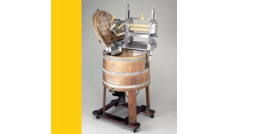
A look at the operation of the washing machine - late 19th century..
Home Appliances
In the late 19th century, the washing machine took its first steps as a semi-automatic mechanical device.. These machines were mostly purely mechanical, powered by hand, belt or, later, rudimentary electric motors..
In 1851, American James King invented and patented the first washing machine using a rotating drum.. The drum was partially filled with water. Seven years later, in 1858, another American named Hamilton Smith built and patented the first washing machine with a rotating drum.. Historians claim that these machines were the first modern washing machines. In 1861, the ability to soak clothes Washing machines added.
Clothes were placed in a metal or wooden tub and washed by vanes, oscillating arms, or a simple drum.. The reciprocating or rotating movement caused mechanical agitation in the water and soap; A process that separates dirt from fibers.
In 1874, William Blackstone, an American businessman, built a machine that would remove dirt from clothes and wash them as a birthday present for his wife.. This device consisted of a wooden tub in which there was a flat piece of wood containing six small wooden pegs. Dirty clothes were hung on wooden pegs and spun in hot soapy water.. Not long after, Blackstone began manufacturing and selling this $2.50 device.
This physical principle is the same concept that is known today as Agitation. Draining water and draining was completely manual and to get the water from the clothes from pressure rollers. (Wringer) was used; Two cylinders between which clothes were passed to remove excess water. Although this part was simple, it was dangerous in terms of safety and later led to the design of safer systems.
In 1907 AD, Alva J. Fisher first Electric washing machine invented in the United States. This machine was called the Thor and was sold by the Hurley Machine Company in Chicago. The said machine was accompanied by a drum, and the blades lifted and washed the clothes by rotating the drum..
As Thor revolutionized the laundry business, other companies focused on consumer markets. Among these companies was Maytag, which started with the production of agricultural tools; But gradually he introduced the wooden washing machine in 1907. In 1911 AD, another famous company called Whirlpool started producing a machine with a rotating drum and an electric motor..
From the point of view EngineeringThese machines were an example of replacing human energy with simple mechanical mechanisms. There was no temperature control, automatic timing, or high-powered motors yet, but these designs were groundbreaking Washing machines They modernized and showed how Engineering It can gradually transform daily tasks.
After-sales service, inspection, standardization
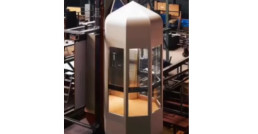
A look at the history of the elevator ...
elevator
سال ۱۸۷۴ میلادی (1252 solar) نقطه عطفی در تاریخ آسانسور است؛ زمانی که آسانسور از یک بالابر ساده به یک سیستم حملونقل عمودی ایمن و قابلاعتماد تبدیل شد و مسیر رشد ساختمانهای بلند را هموار کرد.
سال ۱۸۷۴ میلادی،آغاز عصر آسانسورهای ایمن:
شرکت Otis نخستین آسانسورهای هیدرولیکی ایمن را معرفی کرد.استفاده از سیستم ترمز ایمنی (Safety Brake) مانع سقوط کابین در صورت پارگی کابل شد.این نوآوری، اعتماد عمومی به آسانسور را افزایش داد.
دهه ۱۸۸۰ میلادی (۱۲۵۸ خورشیدی)، تولد آسانسور الکتریکی:
در سال ۱۸۸۰ ورنر فون زیمنس، اولین آسانسور تمامبرقی را ساخت.حذف نیروی بخار و هیدرولیک ،موجب افزایش سرعت، ارتفاع و بهرهوری گردید و زمینهساز شکلگیری آسمانخراشها شد.
Elevator inspection
دهه ۱۹۲۰ میلادی، استانداردسازی و رشد شهری:
معرفی موتورهای DC، سیستم قرقره و وزنه تعادل و توسعه دربهای کشویی و سیستمهای کنترلی اولیه
دهه ۱۹۳۰ میلادی،پیشرفت ایمنی و مکانیک:
توسعه گاورنر سرعت،بهبود سیستم ترمز و راهنمای کابین
افزایش ظرفیت و ارتفاع قابل دسترس
دهه ۱۹۵۰ میلادی، انقلاب موتورهای AC:
جایگزینی موتورهای AC بهجای DC ،کاهش هزینه نگهداری و افزایش طول عمر،حرکت نرمتر و مصرف انرژی کمتر آسانسورها
دهه ۱۹۷۰–۱۹۸۰ میلادی، الکترونیک و اتوماسیون:
ورود کنترلهای الکترونیکی و رلهای پیشرفته،بهینهسازی زمان انتظار و مدیریت گروهی آسانسورها،توسعه آسانسورهای پرسرعت برای برجهای بلند
دهه ۱۹۹۰ میلادی،کنترل دیجیتال:
استفاده از میکروپروسسورها و PLC،تشخیص خطا، مانیتورینگ و ایمنی هوشمند،افزایش دقت توقف و راحتی حرکت آسانسور
قرن ۲۱ میلادی، آسانسورهای هوشمند و سبز:
موتورهای گیرلس (Gearless) با راندمان بالا،سیستم بازیابی انرژی (Regenerative Drive)،آسانسورهای فوقسریع (+10 m/s) And
فناوریهای نوین مانند MULTI (حرکت بدون کابل)
از سال ۱۸۷۴ میلادی تاکنون، آسانسور از یک بالابر مکانیکی پرریسک به یک سیستم حملونقل عمودی هوشمند، ایمن و انرژیبهینه تبدیل شده است.پیشرفت آسانسورها مستقیماً با توسعه مهندسی مکانیک، برق، کنترل و متریال گره خورده و بدون آن، معماری مدرن عملاً غیرممکن بود.
بازرسی ادواری ، آسانسور ، استانداردسازی
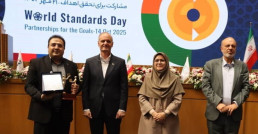
Another honor for Fahame:Received the model unit statue and commendation certificate as a national conformity assessment institution from the National Standards Organization of Iran
Once again, during the ups and downs 33 years of activity of the company in the field of conformity assessment, inspection and standardization of manufactured and service products of the country, as a partner inspection company of the National Standards Organization of Iran and certified by the National Center for Certification of Iran (NACI) Based on Iran's standard requirements – ISO IEC 17020 proud of Get the title “Model conformity assessment body” We became national level!
This great success would not have been possible without the compassion and commitment of the employees, managers and experienced inspectors of Fahameh Industrial Engineering Company, therefore, we would like to express our gratitude to Fahameh Company for their trust. National Iranian Standards Organization As the custodian of the country's standardization, which makes our responsibility heavier, we announce and express our gratitude to all Fahame stakeholders, including our shareholders, employees and technical managers..
With a double effort and with a firm will, in the way of upliftment of our dear country Iran, by fulfilling our inherent duties. (Inspection, quality control, conformity assessment and standardization) We will take our firm steps and continue moving along this long path.
Fahame, protector of quality and capital
In the event of World Standard Day (21 stamp 1404) which was held in the summit hall with the presence of the President, the head of the National Standards Organization of Iran, the Minister of Peace, the heads of the parliament's industries and mines and education and research commissions, and a group of national officials, university professors, experts, former presidents of the standards organization, and activists of the standards system in the summit hall..
Fahameh, selected by the National Standards Organization of Iran as a model conformity assessment institution at the national level
Inspection company, conformity assessment, sample unit, product inspection
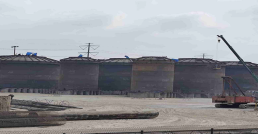
About the construction project of phosphoric acid factory by Tamamam company
About the construction project of phosphoric acid factory by Tamamam company
company (supplement) Engineering and development of Iran's national copper industries, (The main employer of this project)As a development management company that focuses on the development of copper manufacturing industries of the copper industry, it operates and manages relevant development projects as a representative of the National Copper Company..
Bandar Abbas Phosphorus Acid Plant Project With annual production of 6,000 tons of phosphoric acid and byproducts including Alf2, Gypsum, i1, PPA in the Persian Gulf Special Economic and Minerals Special Zone, from February 1402 Began to be running and completing.
The plant is downstream of the cathode production chain and will be constructed with the aim of consuming one million tons of sulfuric acid manufactured by the copper company, producing 6,000 tons of phosphoric acid, which will provide an important part of the agricultural need for phosphate fertilizers and provide food security in the country..
Industrial engineering company Fhamh, Is proud to be in this large project as a service contractor TECHNICAL INSPECTION , Third person construction of phosphoric acid plant and side units of Persian Gulf Economic Zone - Abbas (Inclusive Inspection services and tests during construction and final equipment in and out of the country) , Has partnerships and cooperation.
Inspection company, technical inspection; Chemical, Oil and Gas and Petrochemical Industries